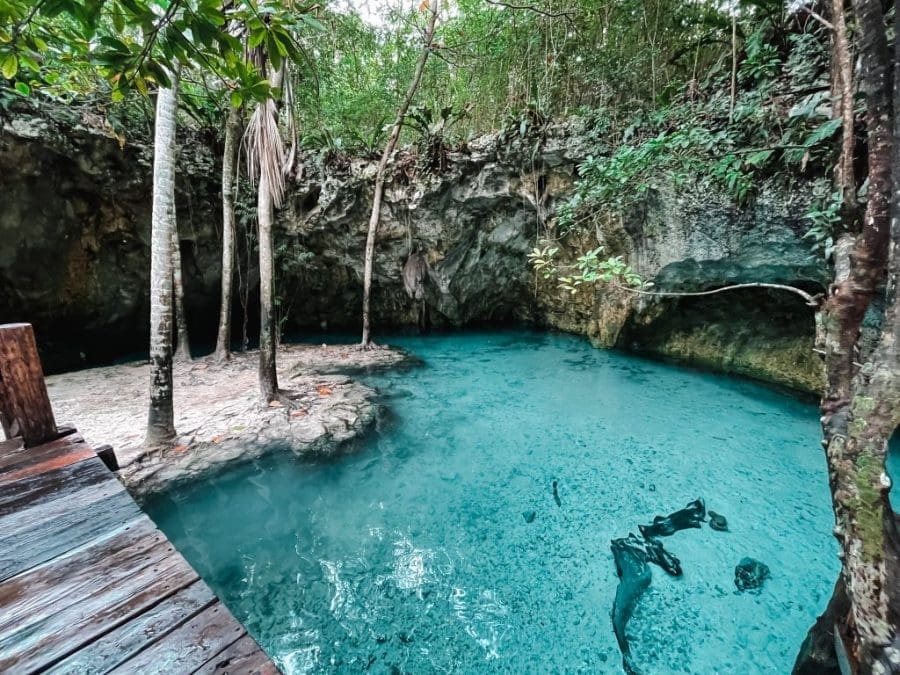
On a research trip to Tulum, I found myself walking barefoot along the cenote-dotted coastline, notebook in hand, completely mesmerized by the effortless elegance of that corner of the Yucatán. I’ve spent years designing outdoor spaces across the Phoenix area, and that trip opened my eyes to a design philosophy that feels made for the desert.
That’s what Tulum style backyard design is about: raw luxury, natural materials, and spaces that feel like a retreat the moment you step outside. Here’s what I brought home, and how it translates to Arizona.
The Tulum Aesthetic: Raw Luxury Meets Desert Serenity
Walking through Tulum’s most stunning properties, I was struck by how closely their design philosophy mirrors what we can achieve here. The Tulum aesthetic isn’t about perfection. It’s about authenticity.
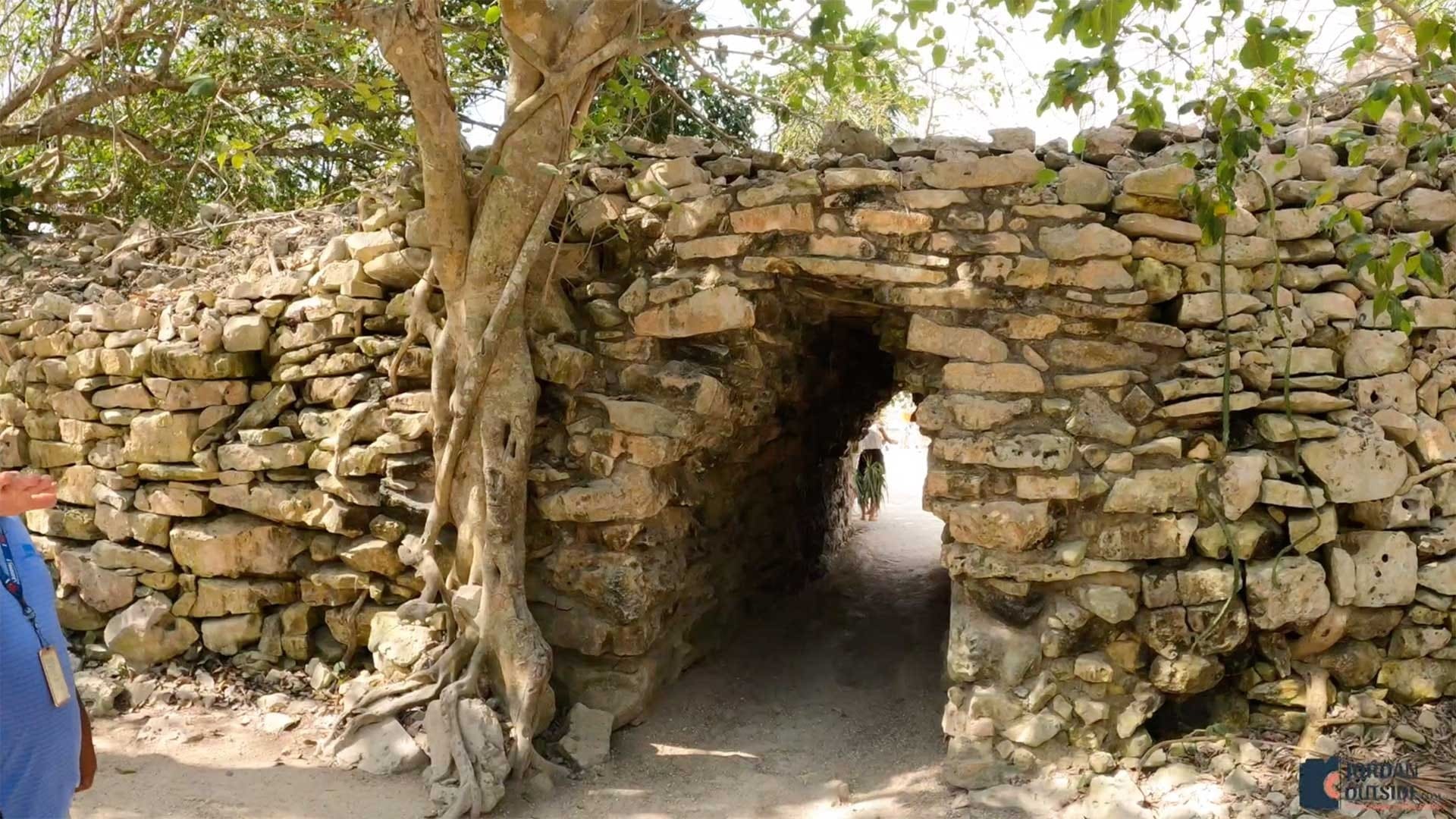
Think weathered limestone walls that tell stories, natural travertine floors that feel cool underfoot, and plantings that seem to grow wild but are carefully curated.
The textures are everything. Rough-hewn wooden beams, often from local tropical hardwoods like Parota or Tzalam, create dramatic ceilings that cast beautiful shadows through the day. Natural fiber textiles like undyed cotton, jute, and henequen add softness without competing with the architecture. And the color palette is pulled straight from the landscape: warm sand, deep jungle green, cenote blue, and the golden-hour light that makes everything glow.
What captivated me most was how Tulum designers embrace imperfection. Walls aren’t perfectly smooth. They show the hand of the craftsperson. Furniture is beautifully weathered, as if it has absorbed years of coastal air and sun. That organic, lived-in quality creates spaces that feel like retreats rather than showplaces.
Why Tulum Style Works in Arizona
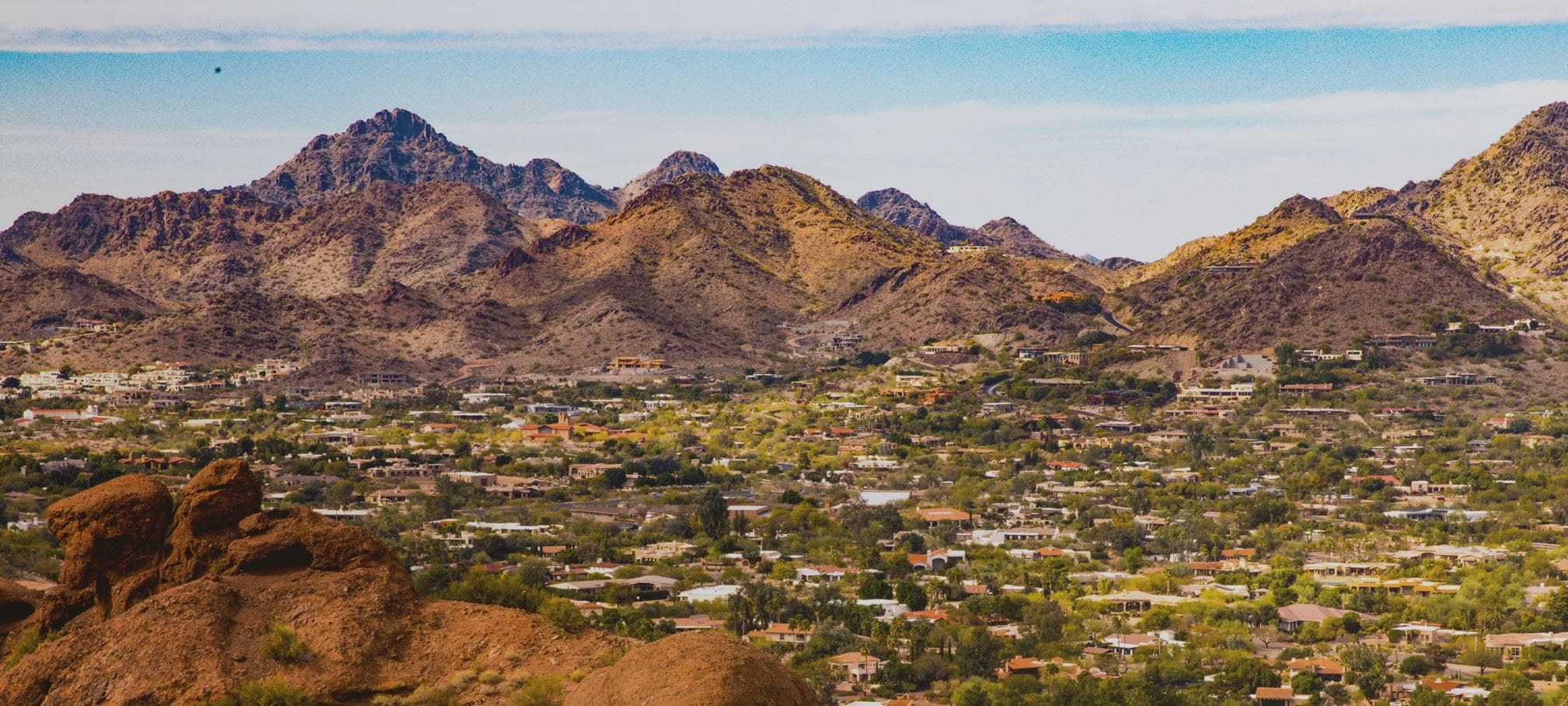
Tulum is humid and tropical, and Arizona is dry. But the two share more than you’d think: intense sun, serious heat, and a way of life that happens mostly outdoors. The design solutions that make Tulum comfortable translate beautifully to the desert:
- Deep overhangs and shaded outdoor rooms that block harsh sun
- Natural ventilation and open-air layouts that catch every breeze
- Materials that age gracefully in sun and heat, like travertine, lime plaster, and weathered wood
- A strong connection between indoors and outdoors, so living spaces flow into gardens
The plant palette is surprisingly compatible too. Many of the agaves, palms, and architectural plants that thrive in Tulum’s coastal conditions also do well here. The key is creating the same sense of lush abundance while respecting a water-conscious approach to landscaping.
Key Elements of Tulum Style Backyard Design
If you want to bring Tulum home, these are the building blocks we use:
| Element | Tulum version | Arizona translation |
|---|---|---|
| Flooring | Natural limestone and travertine | Honed, natural-edge travertine that stays cool underfoot |
| Walls | Hand-troweled lime plaster, chukum | Textured plaster or stucco in warm sand tones |
| Structures | Palapas and rough-hewn wood beams | Wood-beam ramadas and pergolas with slatted shade |
| Water | Cenotes and plunge pools | Organic-edge pools, plunge pools, and simple water walls |
| Planting | Jungle palms and tropical foliage | Palms, agaves, flowing grasses, and select tropicals |
| Textiles | Jute, linen, undyed cotton | Performance fabrics in natural, earthy tones |
| Lighting | Candles, woven lanterns | Warm, low lighting and woven pendant fixtures |
The goal is not a theme park version of Mexico. It’s a relaxed, grounded space that feels as if it grew out of the land.
A Fresh Direction for Tuscan Backyards
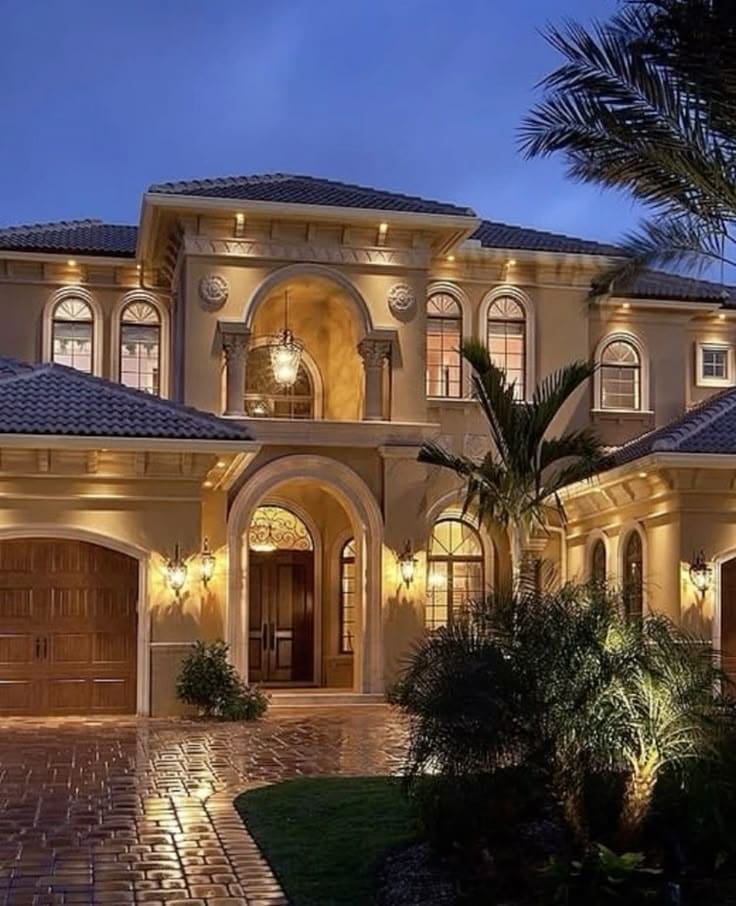
If you’re living with a Tuscan-style outdoor space that feels a bit dated, the Tulum aesthetic is a natural evolution. Both styles celebrate natural materials and earthy tones, but Tulum brings a more relaxed, coastal sensibility that feels fresh and current.
- Instead of formal symmetry, think organic curves.
- Instead of heavy, ornate stonework, consider lighter travertine and natural wood accents.
- Instead of wrought iron, think woven, rattan, and raw wood.
- Instead of clipped hedges, let grasses and palms move.
The bones of your Tuscan space, the hardscape and the scale, can often be transformed with the right material updates and softened plantings rather than a full tear-out. That can be a smart way to refresh a yard without starting from scratch.
Sourcing the Right Materials
One of the most exciting parts of developing this style has been working with local vendors to source authentic materials. We work with specialty stone suppliers to find the right travertine, not the polished varieties you usually see, but honed, natural-edge pieces that capture Tulum’s organic feel.
For wood, reclaimed options give us that weathered, coastal look without the environmental impact of shipping materials from Mexico. Local artisans help create custom pieces that honor traditional techniques while meeting desert durability requirements.
The plantings are where I get most excited. Working with plant specialists, we select varieties that deliver a lush, tropical feeling while thriving in our climate: architectural agaves, flowing grasses that move in desert breezes, and carefully placed specimen trees that create those magical filtered-light moments I fell in love with in Tulum. For more plant ideas, see our guide to flowering plants for Arizona landscape design.
A Personal, Hands-On Design Process
This style depends on nuance. The right stone, the right weathering, the right plant in the right place. That’s why Tulum-inspired projects get a hands-on, collaborative design process. We’ll work together to understand how you live in your space, what draws you to the Tulum aesthetic, and how to create your own personal retreat.
If you love this look, you may also like our coastal-Florida-inspired Floridian Collection or our ideas for a resort style backyard in Scottsdale. You can browse finished projects in our portfolio and learn about our design-build services.
Frequently Asked Questions
What is Tulum style backyard design?
Tulum style design blends raw natural materials, like limestone, travertine, lime plaster, and rough-hewn wood, with lush planting, soft natural textiles, and warm, low lighting. It embraces imperfection and craftsmanship, creating outdoor spaces that feel relaxed, earthy, and luxurious, like a boutique retreat rather than a formal showplace.
Does Tulum style work in the Arizona desert?
Yes. Arizona and Tulum share intense sun, heat, and an outdoor lifestyle. Deep shade structures, natural stone that stays cool underfoot, and a mix of palms, agaves, and flowing grasses translate the look to the desert. We adapt the planting for our dry climate while keeping the lush, layered feel.
Can I update a Tuscan backyard to a Tulum look?
Often, yes. Tuscan and Tulum styles share earthy tones and natural materials, so the existing layout and hardscape can frequently stay. Swapping heavy stone and wrought iron for lighter travertine, natural wood, woven textures, and softer planting can give a dated Tuscan yard a fresh, relaxed feel.
What materials are used in a Tulum inspired backyard?
Honed or natural-edge travertine, textured plaster walls in sand tones, weathered or reclaimed wood beams, woven furniture and lighting, and natural fiber textiles in performance fabrics. Palms, agaves, and ornamental grasses complete the look. The key is choosing materials that age gracefully in the Arizona sun.
Ready to Bring Tulum Home?
If you’re dreaming of morning coffee in a space that feels like a cenote-side retreat, or evenings that transport your guests somewhere far away, let’s talk. Schedule a design consultation with Lavender. Your design retainer is credited dollar-for-dollar toward construction when you build with us. Getting started is easy: a call with our client coordinator and an initial in-office consultation are both complimentary, and on-site consultations require a $250 deposit that’s credited toward your design.


